

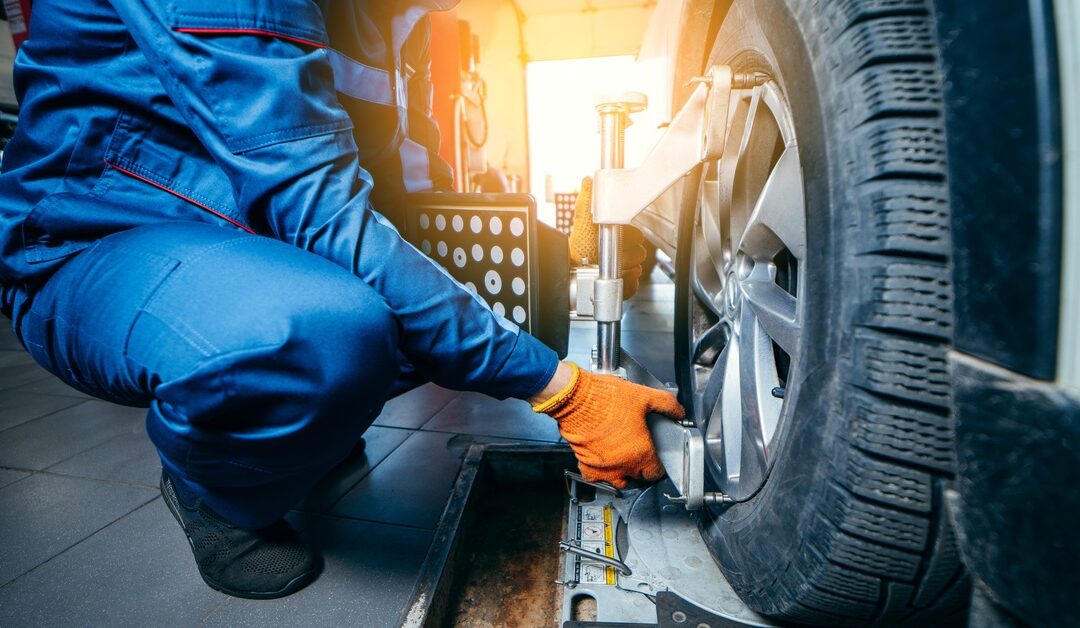
Most drivers think about oil changes and brake services, but wheel alignment often slips through the cracks. That oversight costs real money over time and quietly reduces vehicle safety. Proper wheel alignment protects your tires, improves handling, and keeps your car driving the way it should.
At Silverdale Autoworks, we see the long-term damage that poor alignment causes every day. Many drivers replace tires far sooner than necessary without realizing alignment caused the problem. Understanding how alignment works and why it matters helps you protect your investment and stay safer on the road.
We’re taking a comprehensive look at how wheel alignment extends tire life and safety, keeping you on the road with real-world insight from experienced technicians.
What Wheel Alignment Really Does for Your Vehicle
Wheel alignment adjusts how your tires meet the road. Technicians focus on three primary angles: camber, caster, and toe. Each angle affects how the tire contacts pavement and how the vehicle responds to steering input.
When alignment stays within manufacturer specifications, all four tires share the workload evenly. The vehicle tracks straight, steering feels predictable, and suspension components operate as designed. When alignment shifts out of spec, tires scrub against the road instead of rolling smoothly.
Alignment does not fix worn suspension parts, but it reveals problems early. Skilled technicians check related components during alignment checks to ensure accurate results.
Misalignment Shortens Tire Life Faster Than You Think
Misaligned wheels destroy tires quietly and quickly. Even small deviations create constant friction as tires drag across the road surface. That friction shaves rubber away every mile you drive.
Inner or outer edge wear often signals camber issues. Feathered tread points toward toe problems. Cupping patterns can indicate suspension concerns paired with alignment trouble. These wear patterns rarely appear overnight, but they ruin tires long before tread depth reaches unsafe levels.
Drivers often blame road conditions or tire brands, but alignment causes many of these failures. Fixing alignment early can double the usable life of a tire set in many cases.
The Direct Safety Benefits of Proper Wheel Alignment
Wheel alignment plays a major role in vehicle safety. Proper alignment keeps your car stable during braking, cornering, and emergency maneuvers. When wheels point in the correct direction, the vehicle responds instantly and predictably.
Misalignment causes pulling, wandering, and uneven braking behavior. During wet or icy conditions, those issues increase stopping distances and reduce traction control effectiveness. Emergency lane changes become harder to control.
A properly aligned vehicle helps electronic safety systems work as intended. Systems like ABS, traction control, and stability control rely on consistent tire contact with the road.
Common Driving Symptoms That Signal Alignment Problems
Many drivers live with alignment problems without realizing the cause. The signs often feel subtle at first but worsen over time. Paying attention to early symptoms saves money and prevents unsafe conditions.
Watch for these common warning signs:
- Vehicle pulls left or right on a straight road
- Steering wheel sits off-center while driving straight
- Tires show uneven or rapid tread wear
- Steering feels loose or unstable at highway speeds
- Squealing tires during normal turns
Any of these symptoms justify an alignment inspection. Ignoring them allows damage to spread to tires and suspension parts.
Everyday Driving Throws Wheels Out of Alignment
Wheel alignment does not fail because of age alone. Daily driving habits and road conditions shift alignment angles gradually. Potholes, curbs, speed bumps, and rough roads deliver sudden impacts that knock wheels out of position.
Even careful drivers experience alignment changes over time. Seasonal temperature changes and normal suspension wear also affect alignment geometry. That reality makes periodic alignment checks essential, especially in areas with uneven pavement.
After installing new tires, alignment becomes even more important. New tires wear quickly if alignment stays off, wasting the investment almost immediately.
Professional Alignment Equipment and Experience Matter
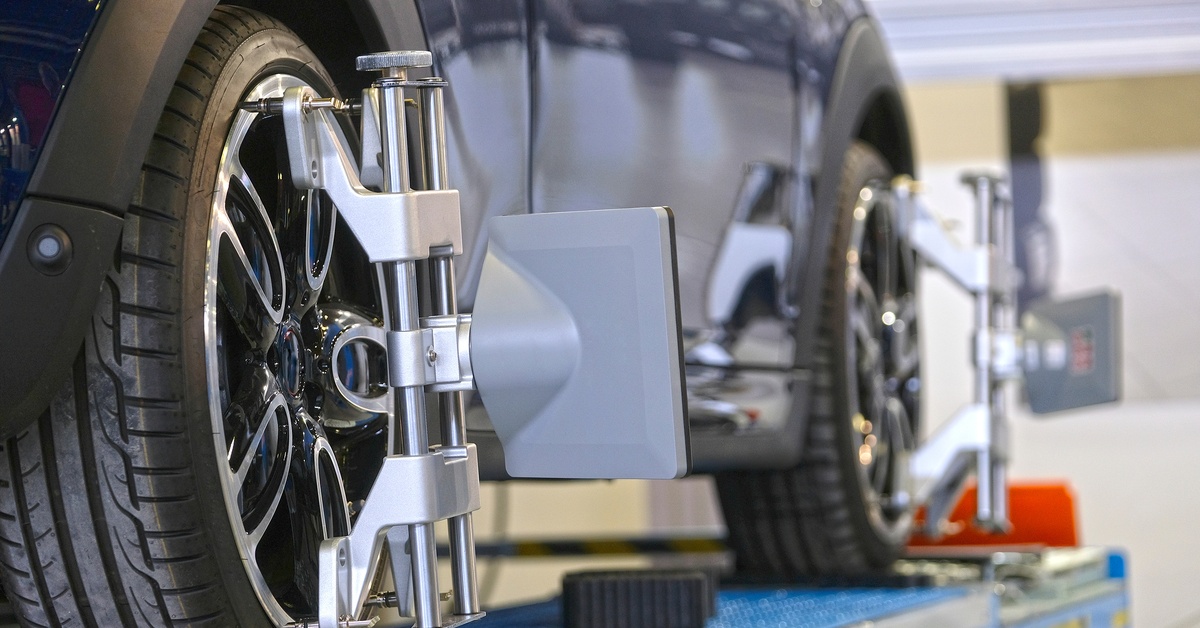
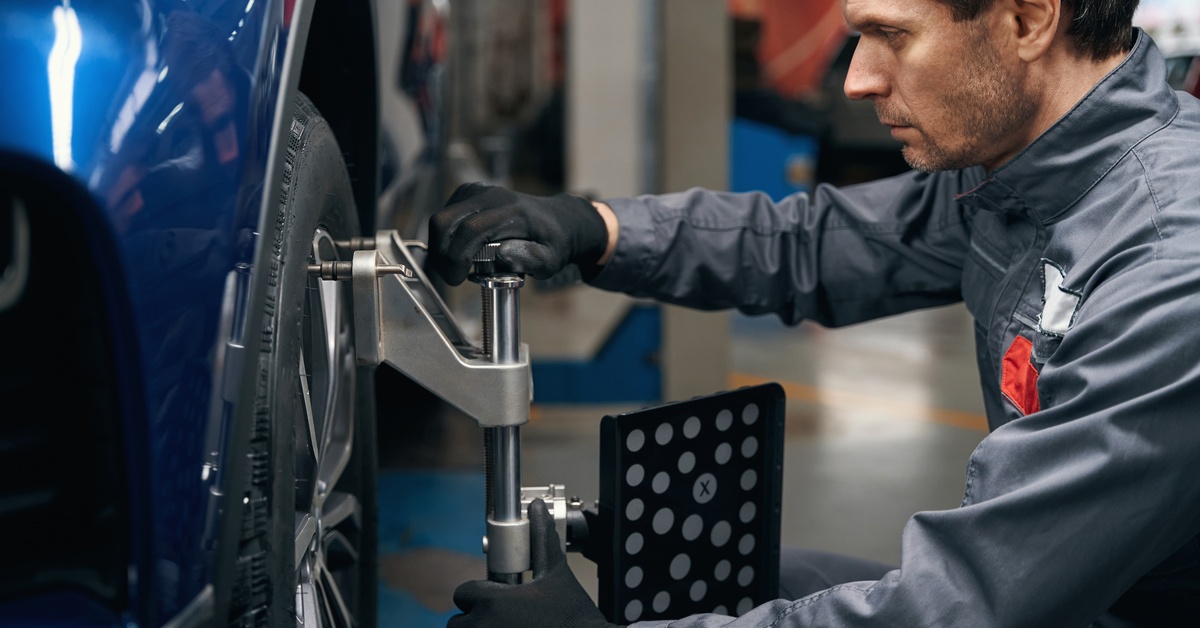
Wheel alignment requires precision. Modern vehicles demand exact measurements down to fractions of a degree. Professional shops use computerized alignment systems that measure angles in real time and compare them to factory specifications.
Experienced technicians interpret those readings correctly. They understand how suspension wear, ride height, and vehicle design affect alignment outcomes. Guesswork has no place in alignment work.
At Silverdale Autoworks, our ASE Master Technicians perform alignments with accuracy and consistency. Their experience ensures adjustments correct the root issue rather than masking symptoms. That expertise protects tires and preserves safe handling.
Alignment Improves Fuel Efficiency and Driving Comfort
Wheel alignment can also affect more than tire life and safety. Proper alignment reduces rolling resistance and allows the vehicle to move more efficiently. When tires roll freely instead of dragging, the engine works less to maintain speed.
Drivers often notice smoother steering and reduced vibration after alignment service. The vehicle feels more planted on the road, especially at highway speeds. Long drives become less tiring when constant steering corrections disappear. While alignment alone will not transform fuel economy, it will support overall efficiency and maintain factory performance levels.
When To Schedule Wheel Alignment for Maximum Protection
Timing matters with alignment service. Waiting until tires show visible damage often means replacement becomes unavoidable. Proactive alignment checks deliver the best value.
You’ll want to schedule alignment:
- After installing new tires
- After suspension or steering repairs
- Following a significant pothole or curb impact
- When steering or handling feels different
- As part of routine maintenance inspections
Drivers who follow these guidelines consistently see longer tire life and fewer surprise repairs. Scheduling car alignment services at the right time protects your safety and budget.
Local Expertise Makes a Difference
Vehicle maintenance works best when handled by professionals who understand local driving conditions. Roads in Kitsap County expose vehicles to seasonal weather, uneven pavement, and heavy traffic patterns. Local experience matters.
Silverdale Autoworks has served the Silverdale community since 1994 with a focus on precision, transparency, and long-term vehicle health. As an AAA-approved repair shop staffed by ASE Master Technicians, the team delivers alignment work that meets exacting standards.
Drivers trust Silverdale Autoworks because repairs get done right the first time. That trust extends to alignment services that protect tires, improve safety, and keep vehicles performing as intended.
Final Thoughts With Silverdale Autoworks
Wheel alignment might not feel urgent, but its impact reaches every mile you drive. Proper alignment preserves tire life, improves safety, and enhances overall driving confidence. When handled by experienced professionals, alignment becomes one of the smartest investments in vehicle maintenance.
If your vehicle shows signs of misalignment or you want to protect new tires, scheduling an inspection now can save time, money, and stress later. Schedule an appointment with Silverdale Autoworks now.