

Owning a vehicle in Kitsap County requires specific attention to detail due to the unique environmental conditions of the Pacific Northwest. The combination of salt air from the Puget Sound, consistent moisture, hilly terrain, and fluctuating temperatures creates a distinct set of challenges for any automobile. Drivers cannot treat vehicle care here the same way they might in a dry, flat climate.
Local drivers must adopt a proactive approach to maintain safety and vehicle reliability. Neglecting minor issues often leads to significant mechanical failures when battling the elements on Highway 3 or navigating the grades near the ferry terminals. ASE-certified technicians understand these local stressors and recommend a regimented approach to care. This handy auto maintenance checklist for Kitsap County provides a comprehensive overview of the essential systems requiring monitoring to keep a vehicle operating at peak performance throughout the year.
Inspect Tires for Wet Road Traction
Tires serve as the only contact point between a vehicle and the road, making them the most critical safety component for Kitsap County drivers. The frequent rain creates slick surfaces where hydroplaning becomes a genuine risk. Tires require adequate tread depth to channel water away from the contact patch. While the legal minimum remains 2/32 of an inch, automotive experts strongly recommend replacing tires when they reach 4/32 of an inch to maintain traction on wet pavement.
Drivers must also monitor tire pressure monthly. Fluctuating temperatures cause air to expand and contract, leading to under-inflation. Under-inflated tires wear unevenly, reduce fuel efficiency, and compromise handling during emergency maneuvers. Technicians also check the sidewalls for cracking or bulges, which often result from impacts with potholes or curbs.
Verify Brake System Performance on Hills
The topography of Kitsap County puts immense stress on braking systems. Descending the hills into Silverdale, Bremerton, or towards the ferry docks requires brakes to function flawlessly to control speed without overheating. Brake pads wear down over time, and rotors can warp due to excessive heat cycles.
Listen for squealing or grinding noises, which indicate the pads have reached the end of their service life. A soft or spongy brake pedal often points to air in the hydraulic lines or degraded brake fluid. Because brake fluid absorbs moisture from the humid air—a process called hygroscopy—it requires flushing periodically to prevent internal corrosion and fluid boiling during hard braking events.
Replace Wiper Blades for Visibility
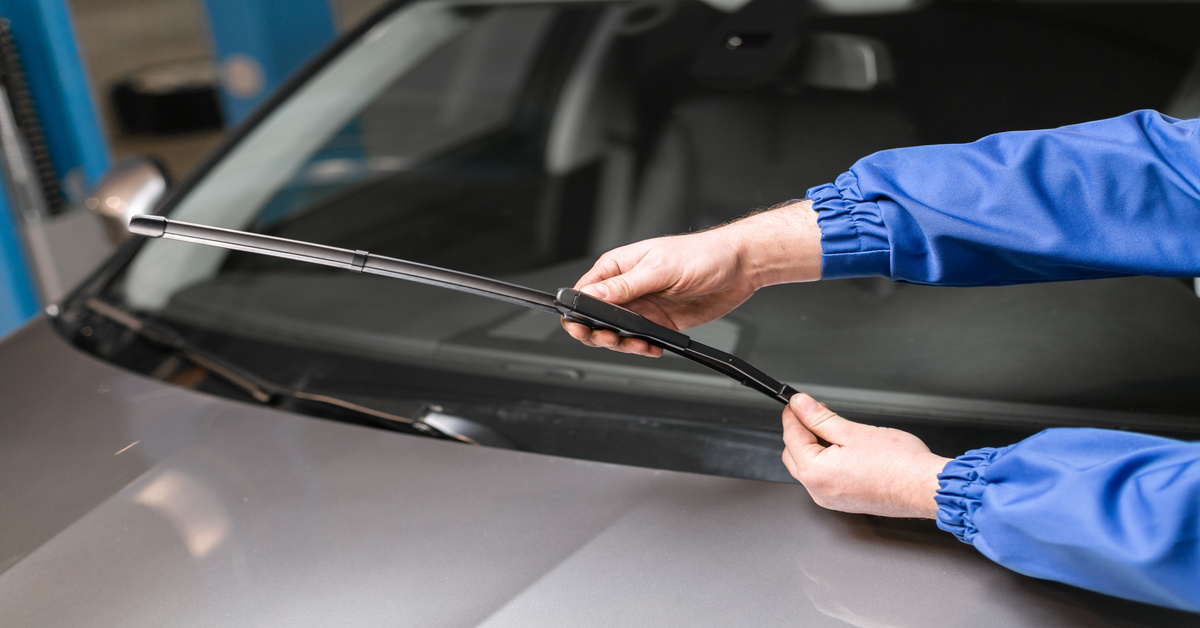
Visibility remains paramount when driving through the relentless drizzle and heavy downpours typical of the region. Wiper blades endure significant wear from constant use and exposure to UV rays, which harden the rubber. This degradation leads to streaking, skipping, or chattering across the windshield, severely obscuring the driver’s view.
Experts advise replacing wiper blades every 6 to 12 months. Drivers should not wait until the rain starts to discover their wipers failed. Additionally, checking the windshield washer fluid level ensures the ability to clear road spray and grime. Using a fluid with a deicing agent provides an extra layer of safety during those occasional freezing mornings.
Monitor Exterior Lighting and Signals
With shorter days and frequent overcast skies, drivers in the Pacific Northwest rely heavily on exterior lighting. Headlights, taillights, brake lights, and turn signals must function correctly to make sure the vehicle remains visible to others. Fog and heavy rain reduce visibility further, making functional fog lights a valuable asset.
Over time, plastic headlight lenses oxidize and turn yellow or cloudy, significantly reducing light output. Headlight restoration services return clarity to the lenses, improving night vision. Regularly walking around the vehicle to check all bulbs ensures compliance with the law and maximizes safety on dark, unlit back roads.
Examine Suspension and Alignment
Roads in the area endure freeze-thaw cycles that create potholes and uneven surfaces. These imperfections punish suspension components, including struts, shocks, and control arms. Worn suspension parts increase stopping distances and cause the vehicle to feel unstable during cornering.
Wheel alignment also suffers from road impacts. Misaligned wheels cause rapid, uneven tire wear and force the vehicle to pull to one side. Technicians use precision equipment to adjust the angles of the wheels, ensuring they sit perpendicular to the ground and parallel to each other. Correct alignment extends tire life and improves fuel economy.
Check Belts and Hoses for Wear
Rubber components deteriorate rapidly due to heat from the engine and environmental ozone. Serpentine belts drive vital accessories, including the alternator, power steering pump, and air conditioning compressor. A snapped belt instantly disables these systems and may cause the engine to overheat.
Inspect hoses for softness, cracks, or bulging. Radiator hoses carry hot coolant under high pressure, making their structural integrity essential. Technicians look for glazing or fraying on belts and replace them before they fail. Preventive replacement of these relatively inexpensive parts avoids costly tow truck fees and extensive repairs.
Maintain Fluid Levels and Condition
Beyond oil and coolant, vehicles rely on various fluids to operate specific systems. Power steering fluid, transmission fluid, and differential fluid all require monitoring. These fluids lubricate moving parts, transfer power, and remove heat.
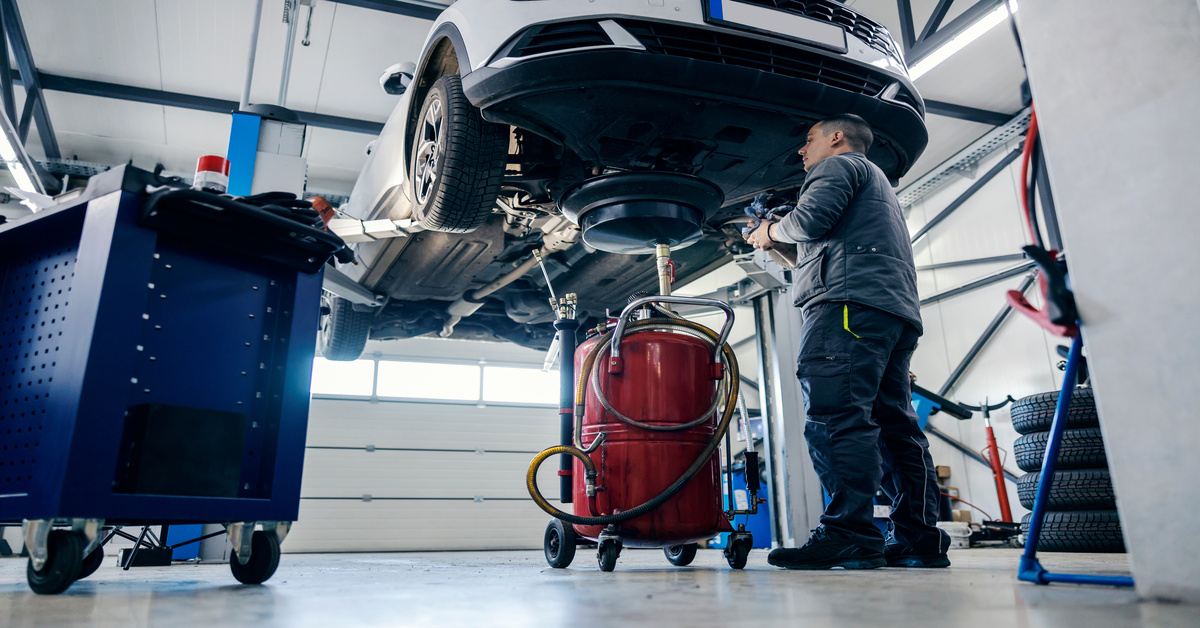
Contamination poses a significant threat to fluid integrity. Metal shavings, moisture, and dirt degrade the fluid’s ability to protect components. Following the manufacturer’s recommended service intervals for fluid exchanges extends the life of the transmission and drivetrain. Regular oil changes remain the foundation of engine health, removing harmful sludge and ensuring proper lubrication.
Prioritize Professional Vehicle Upkeep
Adhering to a strict maintenance schedule safeguards the investment you make in a vehicle. The specific conditions found in this region demand diligence. Scheduling a professional vehicle maintenance service ensures trained eyes catch these issues before they strand you on the roadside.
Items for Your Emergency Kit:
- Jumper cables or a portable jump starter
- Flashlight with extra batteries
- Reflective triangles or road flares
- First aid kit
- Warm blanket and rain gear
- Nonperishable snacks and water
- Tire pressure gauge and portable inflator
By following this auto maintenance checklist and relying on certified professionals, drivers can navigate the roads of Kitsap County with confidence. Reliable transportation requires a partnership between the owner and the repair facility, grounded in a commitment to quality and safety. Head to Silverdale Autoworks for a complete overview of your vehicle’s needs and maintenance schedule. Our experienced and certified technicians can inspect and guarantee your vehicle will be road ready.