

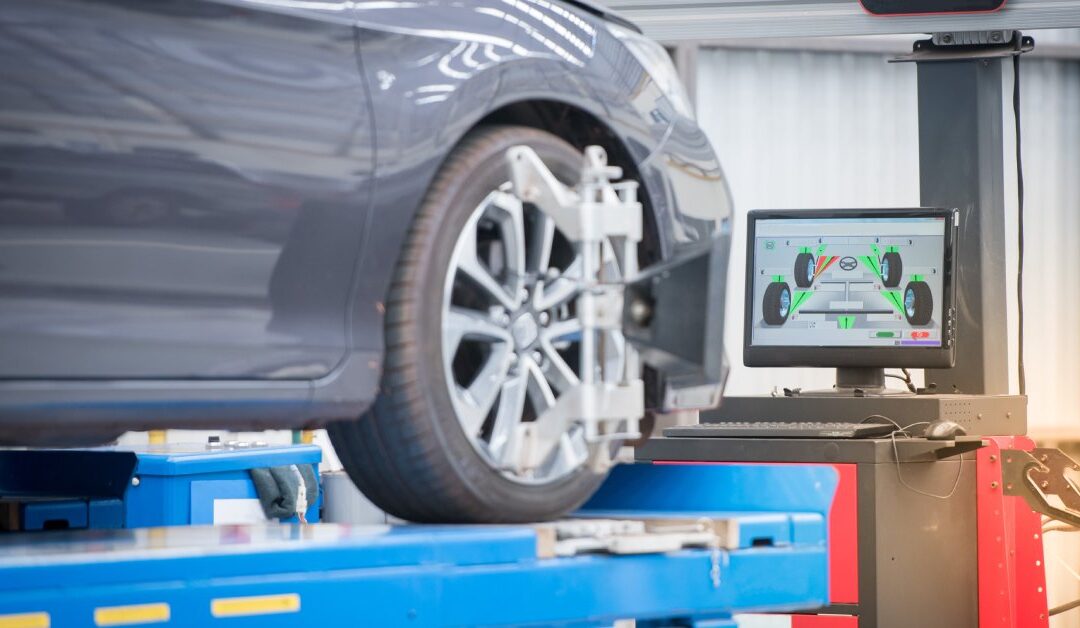
Your vehicle’s alignment system works precisely to keep your car tracking straight and your tires wearing evenly. However, the roads you drive on daily can gradually throw this delicate balance off course. Different road conditions can affect your alignment, so it’s important to know how to protect your investment and maintain optimal vehicle performance.
Poor road surfaces create constant stress on your suspension and steering components. Every pothole, uneven surface, and construction zone presents challenges that can knock your wheels out of proper alignment. We’re exploring how road conditions affect your car’s alignment so that when the weather changes near you, you’re ready for whatever your travels throw your way.
What Happens When Your Alignment Gets Disrupted
Vehicle alignment involves precise angles between your wheels, axles, and steering components. These angles—known as camber, caster, and toe—must remain within manufacturer specifications for optimal performance. When road conditions force these angles out of specification, your vehicle experiences handling problems, uneven tire wear, and reduced fuel efficiency.
Misalignment affects more than just tire wear patterns. Your steering wheel may pull to one side, requiring constant correction. The vehicle may drift when you release the steering wheel on a straight road. These symptoms indicate that road conditions have compromised your alignment settings.
Potholes Create Immediate Alignment Problems
Potholes represent one of the most significant threats to proper wheel alignment. When your tire drops into a pothole, the sudden impact transfers tremendous force through the wheel, tire, and suspension system. This force can immediately alter camber, caster, or toe angles beyond acceptable tolerances.
The severity of alignment damage depends on pothole depth, vehicle speed, and tire pressure at impact. Deep potholes at higher speeds create the most dramatic alignment changes. Even seemingly minor potholes can gradually accumulate damage over time, eventually requiring professional correction.
Uneven Road Surfaces Gradually Shift Alignment
Consistently driving on uneven road surfaces creates gradual alignment changes that develop over thousands of miles. Roads with significant crowning, where the center sits higher than the edges, force your suspension to work harder maintaining proper wheel contact. This constant adjustment slowly wears suspension components and shifts alignment angles.
Construction zones with temporary pavement transitions present similar challenges. The repeated stress of navigating height differences between old and new pavement surfaces gradually affects suspension geometry and alignment settings.
Construction Zones Present Multiple Alignment Hazards
Active construction zones combine multiple alignment threats into concentrated areas. Loose gravel, temporary pavement edges, metal plates covering utility work, and sudden surface changes all stress your suspension system. These conditions force your wheels to constantly adjust, creating wear on alignment-critical components.
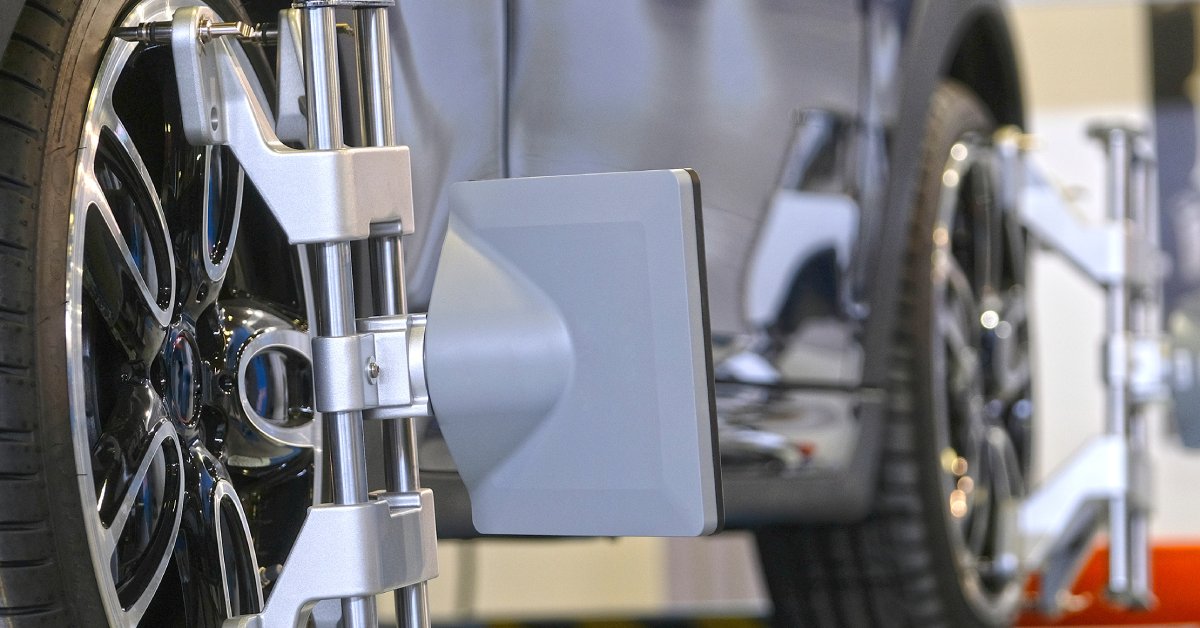
Modern wheel alignment systems can detect even minor changes caused by construction zone navigation. Regular alignment checks become especially important if your daily commute includes active construction areas.
Gravel Roads Accelerate Suspension Wear
Gravel and unpaved roads subject your suspension system to continuous vibration and impact stress. The constant jarring motion gradually loosens suspension components and shifts alignment angles. Unlike paved roads where impacts occur at specific points, gravel roads create sustained stress throughout your journey.
Vehicles frequently driven on gravel roads typically require more frequent alignment services than those used primarily on smooth pavement. The accumulated stress from thousands of small impacts eventually overwhelms suspension tolerances.
Seasonal Temperature Changes Affect Road Surfaces
Temperature fluctuations cause pavement expansion and contraction, creating surface irregularities that impact alignment. Freeze-thaw cycles generate cracks and surface variations that stress your suspension system. Spring road conditions often present the most challenging environment as winter damage becomes apparent.
Cold weather also affects suspension component flexibility, making them more susceptible to damage from road irregularities. Metal components become more brittle, while rubber bushings lose flexibility, reducing their ability to absorb road shock effectively.
Highway Expansion Joints Challenge Alignment Systems
Highway expansion joints create repetitive impacts that gradually affect wheel alignment. The consistent spacing of these joints means your suspension experiences regular stress patterns that can systematically wear specific components. High-speed travel over expansion joints amplifies these forces significantly.
Interstate highways with closely spaced expansion joints present particular challenges for maintaining proper alignment. The rhythmic impacts at highway speeds create harmonic vibrations that accelerate suspension component wear and alignment drift.
Speed Bumps and Traffic Calming Devices Impact Alignment
Speed bumps, speed humps, and other traffic calming devices create controlled but significant alignment stress. While designed to reduce vehicle speeds, these features generate substantial vertical forces that test suspension systems. Repeated encounters with poorly designed or deteriorated speed control devices accelerate alignment changes.
The impact severity depends on the following factors:
- Approach speed and angle
- Speed bump height and profile design
- Vehicle suspension type and condition
- Tire pressure and wheel size
Urban Stop-And-Go Traffic Affects Alignment Differently
City driving presents unique alignment challenges through constant starting, stopping, and turning movements. Frequent direction changes stress suspension components differently than highway driving. Parking lot navigation, curb contact, and tight turning maneuvers gradually affect alignment settings through accumulated stress rather than single impact events.
Urban environments also feature more road surface variations, including utility covers, drainage grates, and pavement repairs that create small but frequent alignment stresses throughout your journey.
How Weather Conditions Compound Road Surface Problems
Wet weather makes road surface irregularities more dangerous for alignment systems. Hydroplaning events subject suspension components to sudden, unpredictable forces. Ice and snow create traction variations that stress steering and suspension systems as they work to maintain vehicle control.
Summer heat softens asphalt surfaces, creating rutting and surface deformation that affects wheel tracking. These temperature-related surface changes require constant suspension adjustment, gradually wearing alignment-critical components.
Maintaining Proper Alignment Despite Road Challenges
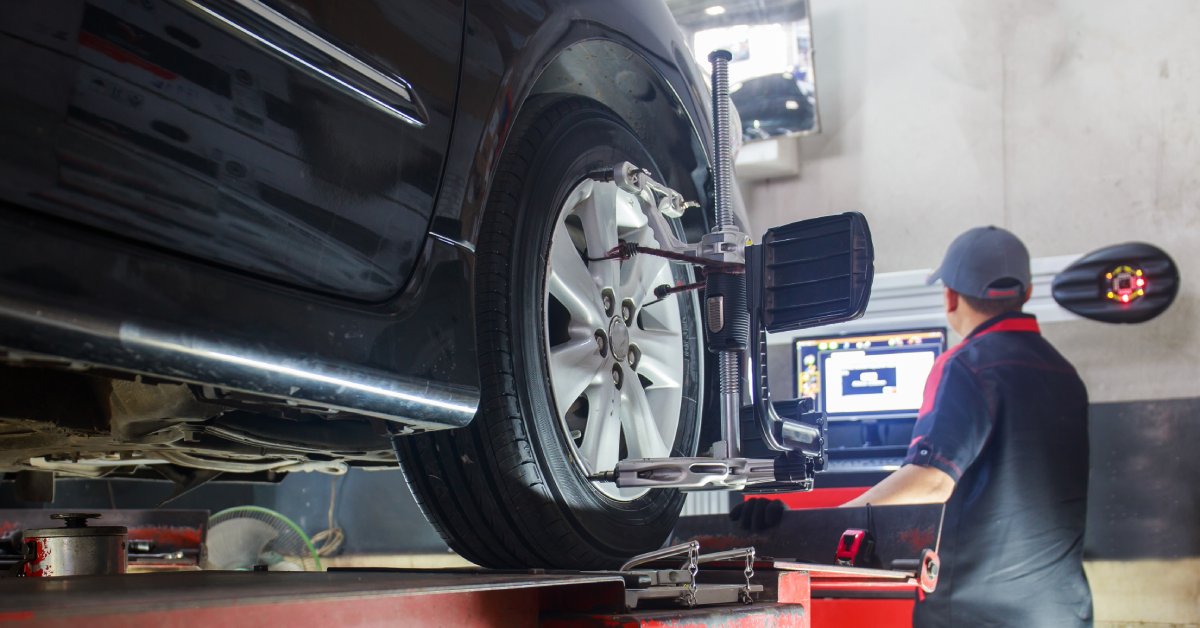
Regular alignment inspections identify problems before they become expensive tire replacement issues. Professional alignment services from Silverdale Autoworks use precision equipment to measure and adjust camber, caster, and toe angles to manufacturer specifications. Quality alignment facilities like ours provide detailed before-and-after measurements documenting the corrections performed.
Proactive alignment maintenance protects your tire investment and ensures optimal vehicle handling. Address alignment problems promptly rather than waiting for obvious symptoms like uneven tire wear or steering pull to develop. The safety of yourself and those around you depends on this simple task.
Professional Assessment Protects Your Investment
Road conditions constantly challenge your car’s alignment system through various impact and stress mechanisms. Our reliable technicians possess the expertise and equipment necessary to accurately diagnose and correct alignment problems caused by challenging road surfaces. Regular alignment services represent essential maintenance that protects your investment and ensures safe, efficient vehicle operation regardless of the road conditions you encounter. Schedule an appointment online or by phone today before the roads become unbearable.