

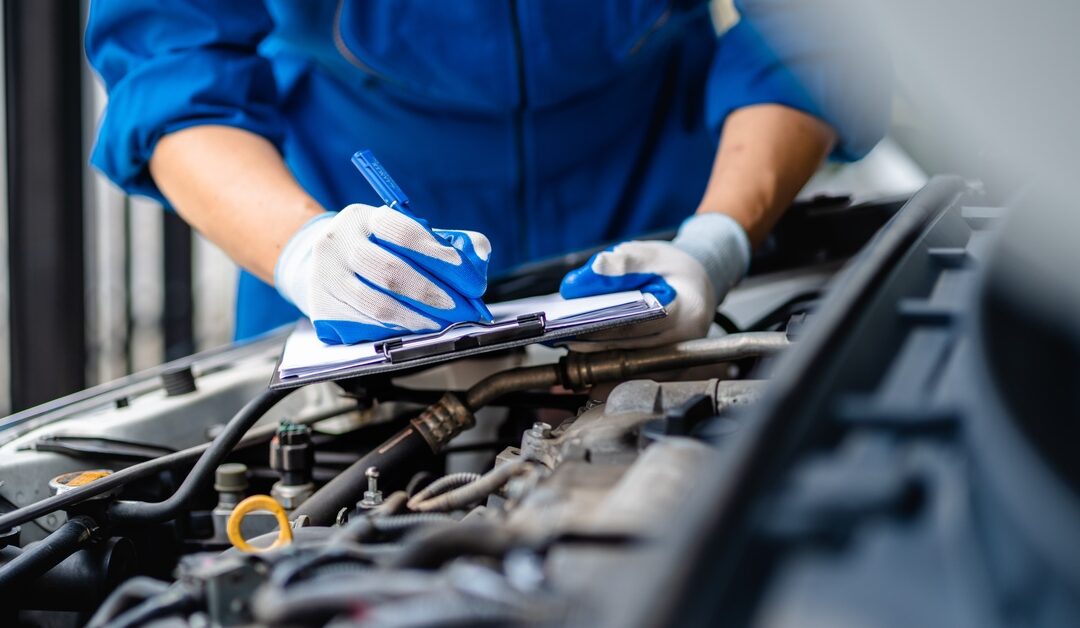
For many people, a vehicle is one of the most significant investments they will make. Protecting that investment requires consistent and proactive care. Regular vehicle maintenance ensures the safety and reliability of your car, preserves its value, and extends its operational life. Understanding the appropriate service intervals for different components can prevent costly repairs and keep your vehicle performing at its best.
Adhering to a maintenance schedule can feel complex, as different parts have unique needs based on time and mileage. Your vehicle’s manufacturer provides a recommended timeline in the owner’s manual, which serves as the most reliable source of information. However, factors like your driving habits, road conditions, and climate can influence how often you need to complete certain services.
We’re exploring how often you should get vehicle maintenance by breaking things down into different milage brackets. With this information, you can adhere to your manufacturer’s guidelines, following best practices from the experts here at Silverdale Autoworks.
Every 3,000 to 5,000 Miles for an Oil Change
An oil change is one of the most fundamental and critical maintenance tasks. Engine oil lubricates the moving parts under the hood, reduces friction, absorbs heat, and removes contaminants. Over time, oil breaks down and becomes less effective.
Most mechanics and manufacturers suggest changing your vehicle’s oil and oil filter every 3,000 to 5,000 miles, depending on oil type and driving habits. However, vehicles that use synthetic oil may go longer, often between 7,500 and 10,000 miles. Check your owner’s manual for the specific recommendation for your make and model.
Every 5,000 to 7,000 Miles for a Tire Rotation
Rotating your tires ensures they wear evenly, which extends their lifespan and maintains balanced handling. The front tires on a front-wheel-drive vehicle, for instance, tend to wear faster than the rear ones due to the weight of the engine and their role in steering.
A standard recommendation is to rotate your tires every 5,000 to 7,000 miles, which often coincides with an oil change schedule. This simple service promotes a smoother ride and better traction.
Every 15,000 Miles for an Air Filter Replacement
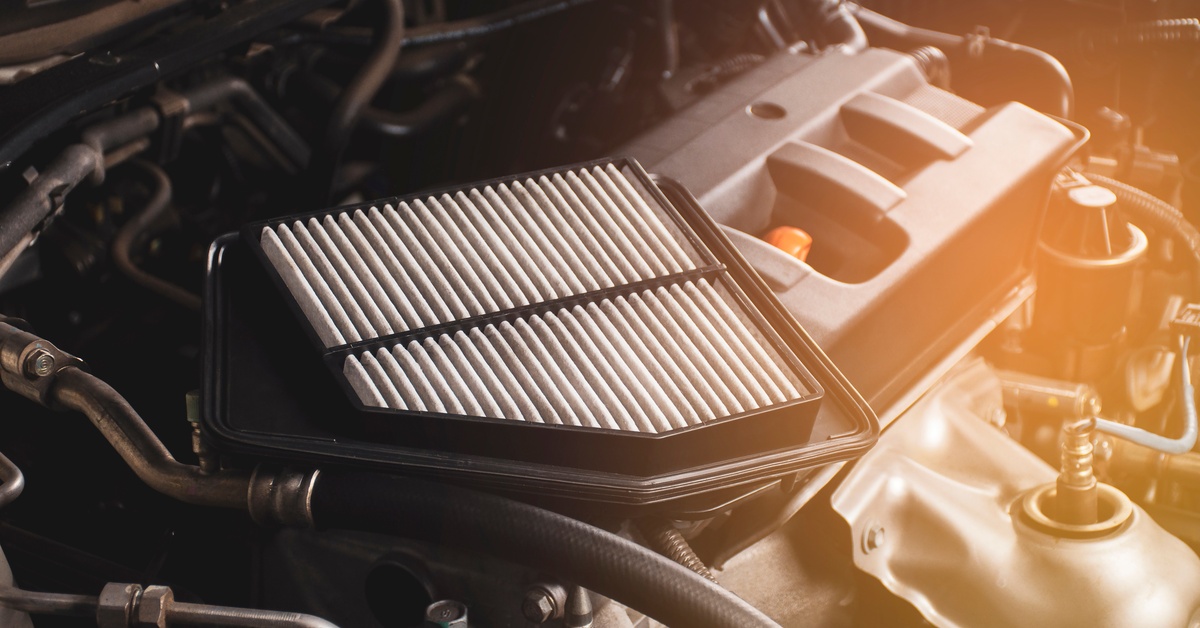
Your engine needs clean air to operate efficiently. The engine air filter prevents dust, dirt, and other debris from entering the engine and causing damage. A clogged air filter can reduce fuel economy and negatively impact engine performance.
Silverdale Autoworks recommends inspecting the air filter at each oil change and replacing it every 15,000 to 30,000 miles, depending on driving conditions. If you frequently drive on unpaved or dusty roads, you may need to replace it more often.
Every 20,000 to 40,000 Miles for a Fuel Filter Change
The fuel filter performs a crucial job by preventing dirt and rust particles from entering the fuel system. A clean fuel filter is essential for smooth engine performance and efficiency.
A clogged filter can lead to poor acceleration and reduced engine power. The replacement interval for a fuel filter typically ranges from 20,000 to 40,000 miles. Your vehicle’s service manual will provide the precise schedule.
Every 25,000 Miles for a Wheel Alignment Check
Proper wheel alignment ensures your tires meet the road at the correct angle, which maximizes their life and ensures straight, predictable vehicle tracking. Misalignment can result from hitting potholes or curbs.
You should have your wheel alignment checked around every 25,000 miles or if you notice your vehicle pulling to one side. This service is an important part of comprehensive automotive maintenance services.
Every 30,000 to 60,000 Miles for Brake Fluid and Transmission Fluid
Your vehicle relies on several essential fluids beyond engine oil.
- Brake Fluid: This hydraulic fluid transfers pressure from the brake pedal to the brakes. Over time, it can absorb moisture, which reduces its effectiveness. You should plan to replace the brake fluid every 30,000 miles.
- Transmission Fluid: This fluid lubricates and cools the transmission. For vehicles with an automatic transmission, a fluid change is often recommended every 30,000 to 60,000 miles. Manual transmission fluid may last longer.
Every 30,000 to 50,000 Miles for Spark Plugs
Spark plugs support the air-fuel mixture in your engine’s cylinders. Worn spark plugs lead to misfires, reduced fuel efficiency, and trouble starting the engine. Standard copper spark plugs may need replacement every 30,000 miles, while more durable iridium or platinum plugs can last up to 100,000 miles.
Every 40,000 to 60,000 Miles for a New Battery
The battery provides the electrical power needed to start your engine and run your vehicle’s electronics. The average car battery lasts between three to five years, which equates to roughly 40,000 to 60,000 miles for the average driver.
Extreme temperatures changes can also shorten battery life. Have your battery tested annually after the three-year mark to avoid getting stranded.
Every 60,000 Miles for a Coolant System Service
The coolant/antifreeze keeps your engine from overheating in the summer and freezing in the winter. Over time, coolant can lose its protective properties.
A coolant flush, which involves draining the old fluid and replacing it with new, is typically recommended around every 60,000 miles. This service will protect the radiator and other cooling system components from corrosion.
Every 60,000 to 100,000 Miles for Timing Belt Replacement
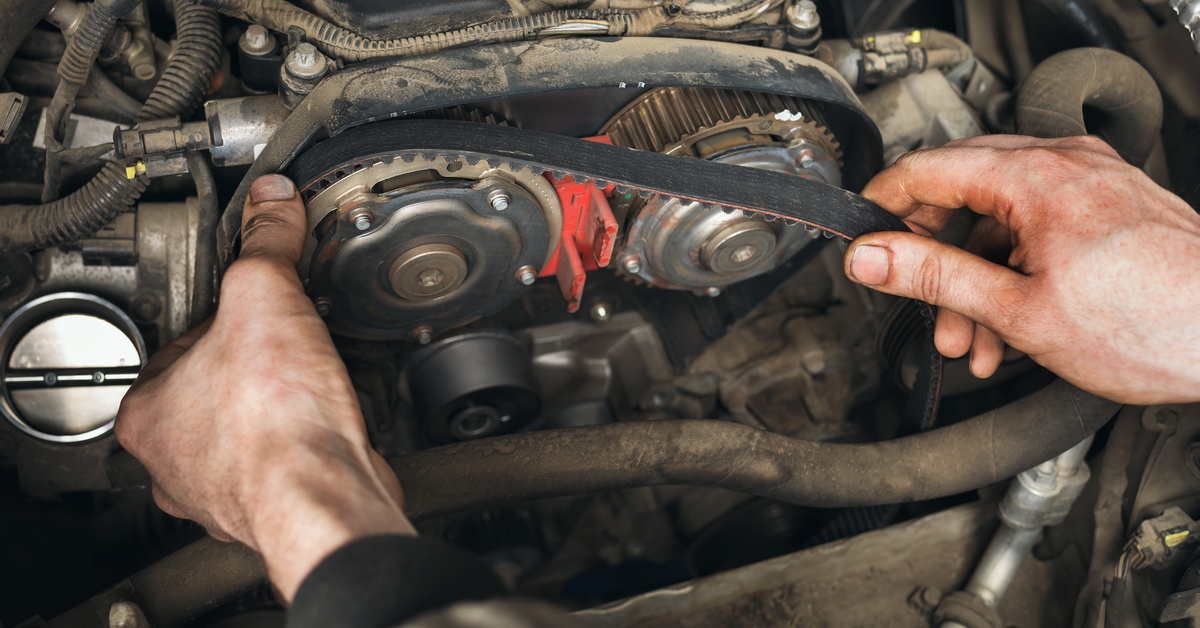
The timing belt orchestrates the rotation between your vehicle’s camshaft and crankshaft so that the engine’s valves open and close at the correct times. If this belt breaks, it can cause catastrophic engine damage.
Because the timing belt is an internal component, it is not easy to inspect visually. Therefore, you must follow the manufacturer’s recommended replacement interval, which usually falls between 60,000 and 100,000 miles.
A Proactive Approach to Vehicle Longevity
Staying on top of your vehicle’s maintenance schedule is the most effective strategy for ensuring its longevity, safety, and reliability. While the owner’s manual provides the definitive guide for your specific model, these general timelines offer a strong foundation for understanding your car’s needs.
By proactively addressing these routine service items, you prevent minor issues from becoming major, expensive problems. Regular care keeps your vehicle running smoothly and provides peace of mind on every journey. Partner with Silverdale Autoworks for more specific maintenance schedules designed for your year, make, and model. With over 30 years of experience, you can trust our technicians to keep you on the road.