

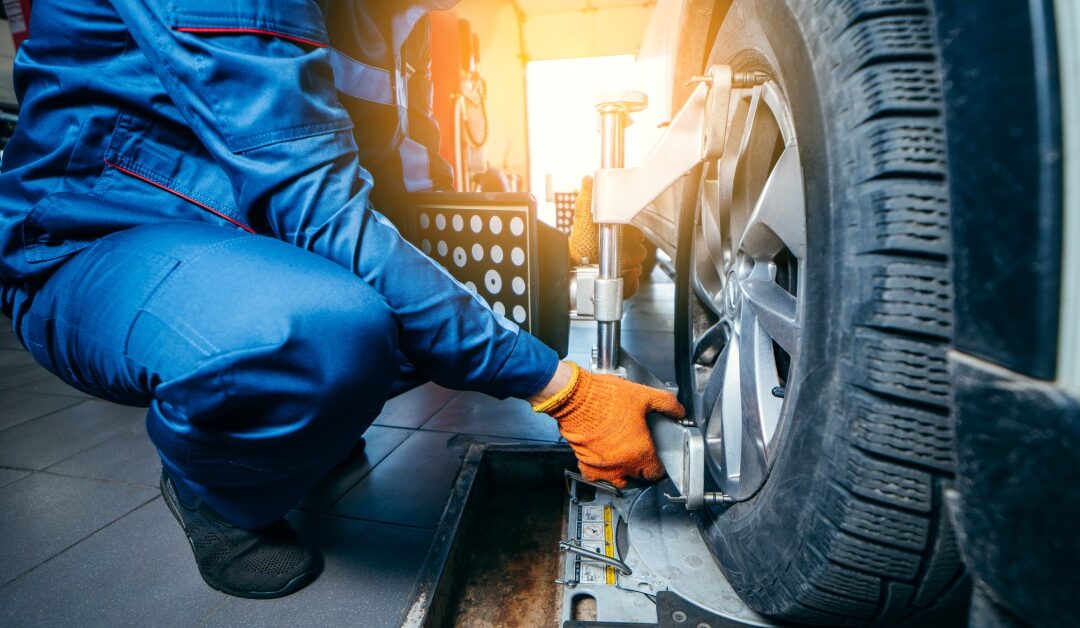
Pacific Northwest roads can be tough on your tires, with rain, mountain passes, and potholes causing wear and tear. Proper wheel alignment is essential to maximize tire lifespan, potentially doubling mileage from 30,000 to 60,000 miles. It also improves fuel efficiency, handling in wet conditions, and overall vehicle performance. This guide will explore how proper alignment extends tire life in the PNW.
What is Tire Alignment?
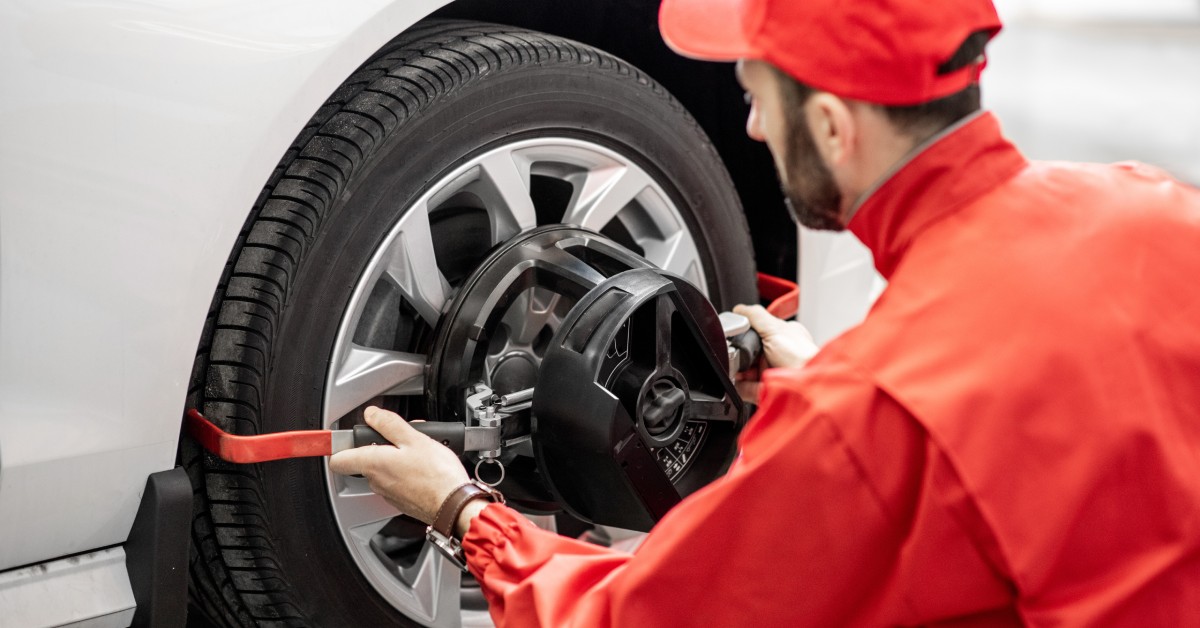
Tire alignment ensures your vehicle’s wheels are precisely adjusted to point in the right direction and make optimal contact with the road. It involves three key angles: camber (inward or outward tilt of the tire), caster (forward or backward tilt of the steering axis), and toe (inward or outward pointing of tires). These angles must align with the manufacturer’s specifications to ensure smooth performance and proper coordination of all four wheels.
When tires are misaligned, they create drag, pull against each other, and wear unevenly, forcing your engine to work harder and reducing your control of the vehicle. This shortens tire life and also impacts fuel efficiency and safety. Misalignment often develops gradually and may go unnoticed until significant damage occurs.
Signs of Misalignment
Recognizing the warning signs of misalignment can help you address the issue before it damages your tires. A common indicator is your vehicle pulling to one side on a straight, level road or needing constant steering corrections to maintain a straight path. Uneven tire wear is another clear sign. Look for wear on one edge of the tread, excessive wear on the inside or outside shoulders, or differences between the left and right tires. These patterns suggest your tires aren’t making uniform contact with the road.
Your steering wheel also offers clues. It should sit centered and level when driving straight. If it appears crooked, alignment issues may be to blame. Vibrations, a loose steering wheel, or unusual tire noises while driving can also signal problems. Regularly checking for these symptoms can help you catch alignment issues early and avoid further damage.
How Alignment Improves Tire Lifespan
Proper wheel alignment extends tire life by ensuring even wear, especially on the wet, uneven roads of the Pacific Northwest. By keeping all four wheels in harmony, your tires perform as intended and withstand the region’s challenging conditions.
Even Tire Wear
Proper alignment ensures all tires maintain uniform contact with the road, distributing wear evenly across the tread. This is especially critical on wet Pacific Northwest roads, where uneven wear can worsen if alignment is off. When wheels are correctly aligned, the weight of your vehicle is evenly distributed across all four tires, preventing uneven wear and allowing for simultaneous replacement.
Misaligned wheels create high-pressure points on the tire tread, leading to faster wear, bald spots, or cupping. These issues force premature tire replacement and, in wet conditions, significantly reduce traction and safety. Maintaining proper alignment helps extend tire life and ensures safer driving in challenging weather.
Improved Handling and Stability

Misaligned wheels can compromise your vehicle’s handling, causing abnormal tire wear and posing a danger on winding roads and wet highways. Proper alignment ensures each wheel tracks correctly, enhancing stability and reducing strain on specific tire sections. This allows your vehicle to respond predictably to steering inputs, which is essential when navigating mountain passes, highway curves, or making emergency maneuvers.
Poor alignment forces tires to scrub against the road surface, generating heat, reducing traction, and wearing down tread unnecessarily. This increased friction makes your vehicle less responsive to steering, creating a hazardous situation when quick reactions are needed. Proper alignment keeps your tires in consistent contact with the road, providing the grip and control required for a safer, more confident drive.
Reduced Risk of Pothole Damage
Frequent rainfall in the Pacific Northwest leads to potholes and rough roads that can damage tires and worsen alignment issues. Proper alignment helps tires absorb road impacts more efficiently, reducing damage and extending tire lifespan. Aligned wheels distribute impact forces evenly when hitting obstacles, protecting tires from sidewall damage and tread separation.
Misaligned wheels, on the other hand, cause tires to hit hazards at improper angles, concentrating forces in specific areas and increasing the risk of damage. This can worsen alignment issues, creating a cycle of vulnerability to road hazards.
Enhanced Traction
Aligned tires ensure optimal contact with the road, providing better grip and traction, especially on the damp, slippery roads common in the Pacific Northwest. Proper alignment keeps the tires’ contact patch consistent, allowing them to channel water away effectively and maintain control in wet conditions. This helps prevent hydroplaning and ensures safe driving during frequent rain showers in the region.
When wheels are out of alignment, tires lose their intended contact patch, reducing traction and forcing greater reliance on the tread to maintain control. This not only accelerates tread wear but also shortens the lifespan of your tires, particularly in challenging weather conditions.
Lower Rolling Resistance
Misaligned tires create extra rolling resistance, causing premature tread wear as your engine works harder to overcome the drag of misaligned wheels. Proper alignment minimizes rolling resistance, reducing wear and extending the lifespan of your tires, even in harsh conditions like those in the Pacific Northwest. Aligned tires roll smoothly without scrubbing against the road, lowering the energy required to maintain speed and preventing heat buildup that accelerates tire degradation.
Rolling resistance impacts both fuel economy and tire life. Misalignment forces your engine to work harder, burning more fuel and generating heat that breaks down tire compounds faster. Regular alignment checks help your tires last longer, improve fuel efficiency, and save money in the long run.
The Alignment Process at Silverdale Autoworks
Silverdale Autoworks delivers precise and effective wheel alignment services using a state-of-the-art Hunter Alignment System with the latest software. This advanced technology ensures your vehicle’s wheels meet manufacturer specifications for maximum tire life and optimal performance. Our certified technicians combine extensive experience with ongoing training to provide the precision modern vehicles require, delivering alignment services that last.
Modern vehicles with electronic driver-assist systems, such as Steering Angle Sensors, demand sophisticated alignment capabilities. Our Hunter Alignment System is designed to handle these advanced requirements, calibrating electronic systems while ensuring accurate wheel positioning. Before alignment, we conduct a thorough inspection of your vehicle’s suspension, steering, and alignment angles, addressing any needed repairs upfront to ensure long-lasting results.
Protect Your Investment with Regular Alignment Services
Understanding how proper wheel alignment extends tire lifespan is crucial, especially in the challenging driving conditions of the Pacific Northwest. Wet roads, varied terrain, and frequent potholes can quickly wear down tires if wheels are misaligned. Regular alignment checks catch problems early, preventing costly tire damage and ensuring your vehicle remains safe and efficient on the road.
At Silverdale Autoworks, our certified technicians use the state-of-the-art Hunter Alignment System to deliver precise, professional wheel alignment services. Proper alignment improves tire traction and handling, keeping you safe on wet highways, mountain roads, and during emergency maneuvers. Schedule your alignment service today and enjoy safer, more economical driving.